
By Luke Huang, General Manager, A-ONE LED Lighting Co., Ltd.
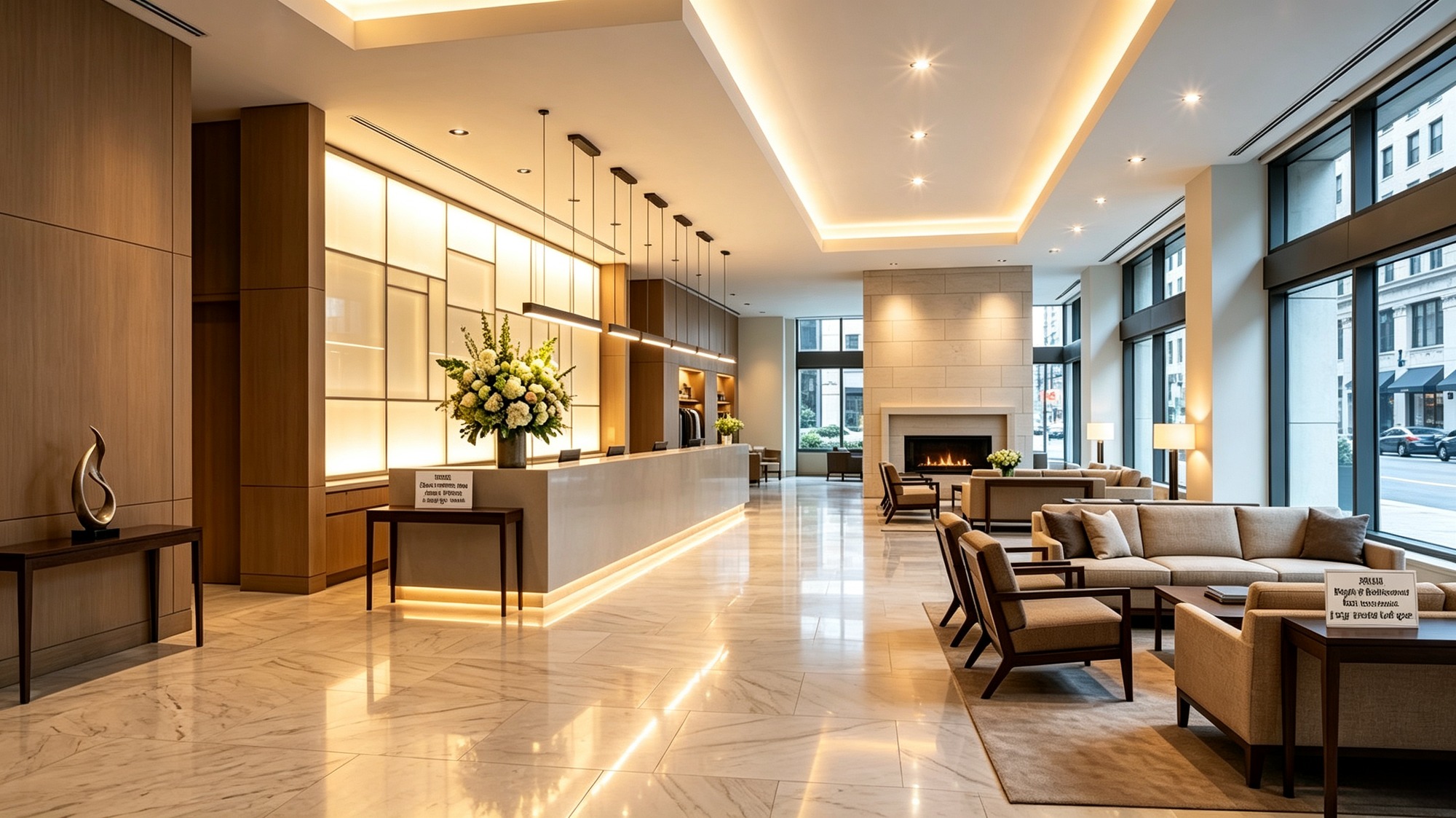
In offices, retail floors, hotels and apartments across Indonesia, much of the lighting people notice is set into the ceiling. Recessed downlights sit flush and leave the soffit uncluttered, but once the ceiling board is closed, mistakes are expensive to correct. These notes are for architects, designers, electrical consultants and contractors specifying that lighting while the void is still open.
Recessed downlights in tight ceiling voids
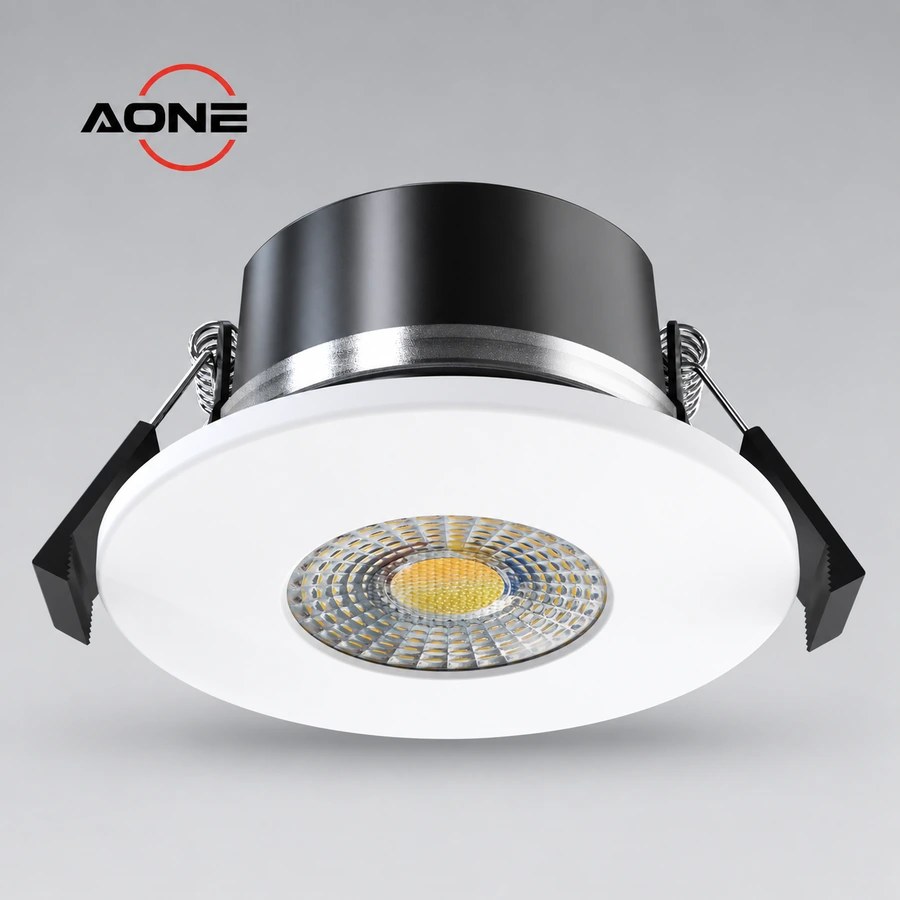
Many office fit-outs, hotel corridors and apartment living rooms have little space above the ceiling, where ducts, pipes, cable trays and beams already compete for room. A downlight is not only the visible trim; it also needs space for the housing, the heat sink and, often, a separate driver. Ask for the overall height of the luminaire and whether the driver is integral or remote. In a shallow void, a compact housing with a remote driver placed to one side is usually easier to install and to service later. Leave a clear gap around the body so heat can dissipate. Packing insulation against the fitting, or pushing it against a duct or a hot roof slab, often causes early failure. Confirm the cut-out diameter and any plaster frame against the actual ceiling type, whether gypsum, mineral-fibre or metal tile.
Heat, humidity and wet or semi-outdoor areas
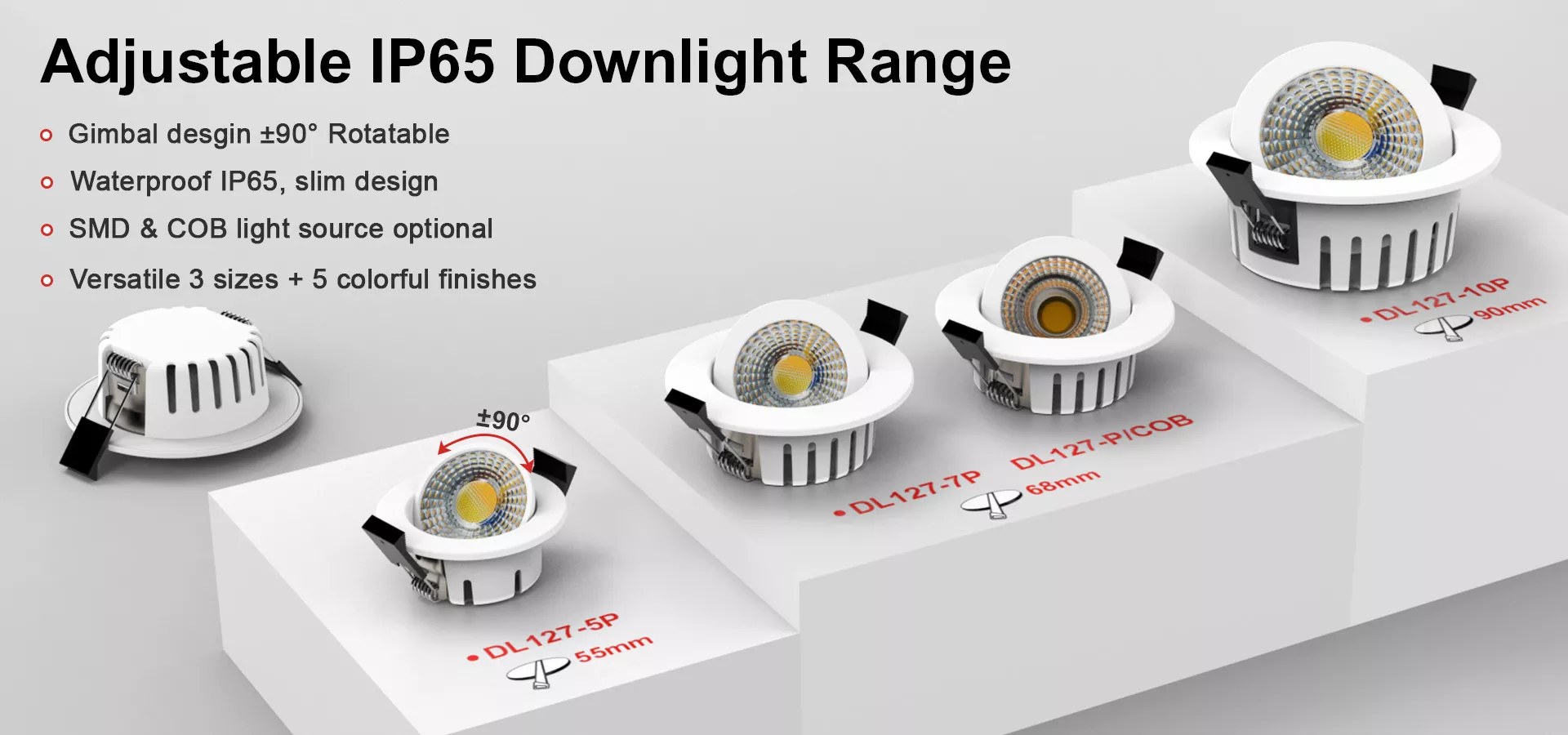
Indonesia’s tropical climate puts extra stress on ceiling electronics. Warm, humid air collects in poorly ventilated voids, and bathrooms, covered terraces, balconies and semi-open corridors add moisture and, sometimes, wind-blown rain. Drivers generate heat, and life expectancy falls if they sit in a sealed, unventilated pocket. Prefer locations with some air movement, and do not trap the driver against insulation or a heat-soaked slab. For dry offices and hotel guestrooms, a standard indoor rating is usually enough. For bathrooms, especially near showers, and for covered terraces or drop-off areas exposed to splash or outdoor humidity, specify a luminaire with an IP rating suited to that zone, and check that seals, gaskets and cable entries match those conditions.
Glare control, UGR and beam angles
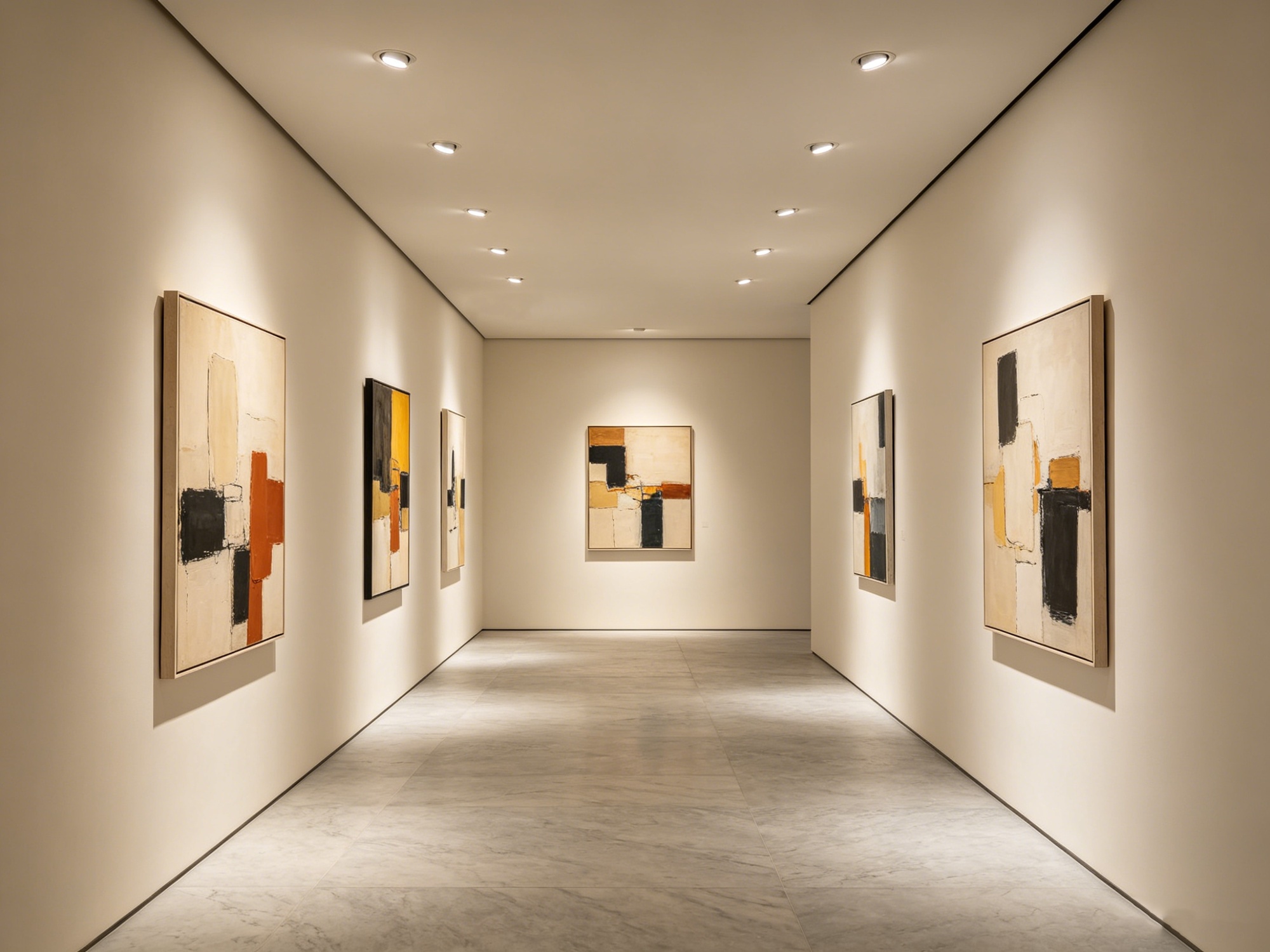
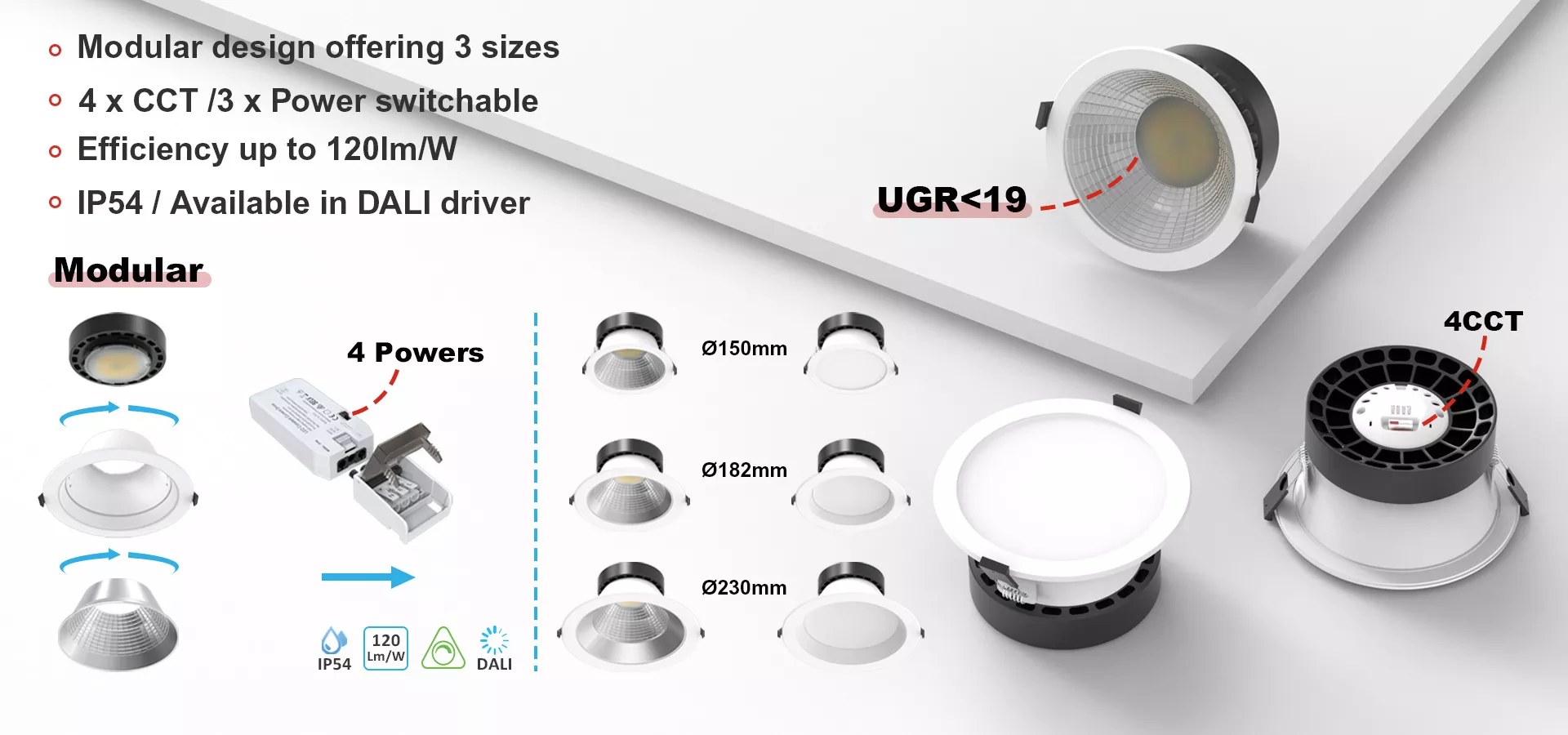
Comfort depends as much on how the light is delivered as on how much is provided. In offices, glare on screens and desktops reduces comfort quickly. Designers often use Unified Glare Rating (UGR) to compare luminaires and layouts; a lower UGR generally means less discomfort glare for a given arrangement. Deep recesses, well-designed reflectors or baffles, and a carefully chosen beam help keep the bright source out of normal sightlines. Beam angle should follow ceiling height and the task. In a typical office or apartment with a ceiling around 2.7 to 3.0 metres, a medium beam often gives even general lighting. Higher hotel lobbies or retail volumes may need a tighter beam to reach the working plane, or a wider flood to wash a display.
Colour temperature and colour rendering
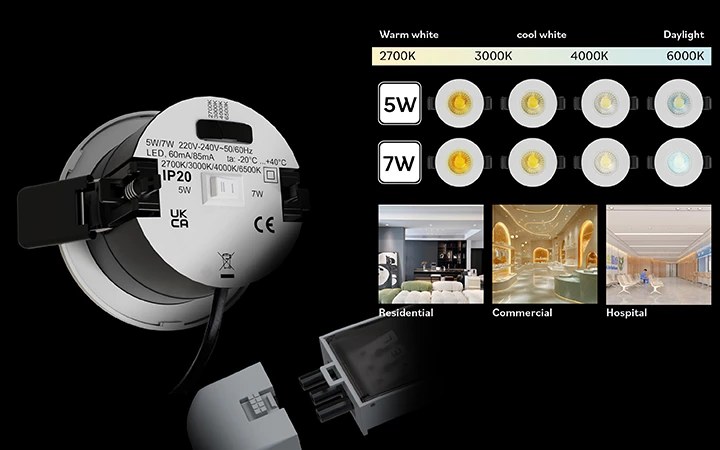
Correlated colour temperature (CCT) sets the atmosphere. Neutral white, commonly around 4000 K, is a practical choice for offices and many back-of-house areas because it supports visual clarity without feeling cold. Hospitality spaces, apartment living rooms and hotel guestrooms generally benefit from a warmer appearance, often in the 2700 K to 3000 K range. Retail floors may shift slightly depending on the merchandise; consistency within a single visual field matters most. Colour rendering is equally important. A high colour rendering index (CRI), typically 80 or above for general interiors and 90 or above where merchandise, finishes or food must be judged accurately, helps materials look as intended. Indonesian building projects commonly refer to SNI guidance on recommended illuminance and colour rendering, and to SNI requirements for energy conservation in lighting systems. Confirm the current applicable standard with the project specifier.
Dimming and controls compatibility
Many offices now use presence detection and daylight-linked dimming. Hotels and apartments expect scene setting in lobbies, dining rooms and suites. Compatibility problems usually appear late: flicker, a limited dimming range, or a circuit that will not dim because the driver does not match the control protocol. State the control method early, whether trailing-edge or leading-edge phase dimming, 0–10 V, DALI, or a proprietary system, and require the supplier to confirm that the driver works with the actual dimmer or control module on the project. If the same family of downlights is used in several spaces, ask whether dimmable and non-dimmable versions share cut-out sizes.
Voltage fluctuation and surge protection
On many sites, supply voltage is not perfectly stable, and switching of nearby equipment can produce brief surges. LED drivers are sensitive to this. As a general consideration, rather than a substitute for the electrical design, discuss surge protection with the electrical consultant: protection at the distribution board, and whether the luminaire or driver includes additional protection. This is especially relevant for long cable runs, mixed loads, or outdoor-adjacent circuits serving terraces and entrance canopies.
Coordinate before the ceiling closes
The cheapest time to resolve lighting details is before the gypsum goes up. Issue a coordination drawing or a simple schedule that records, for each luminaire type, the cut-out size, housing depth, driver location, IP rating, beam angle, CCT, CRI, dimming type, and how the fitting will be accessed after handover. Agree who provides plaster frames or mounting kits, and leave a service strategy for a failed driver: through the ceiling aperture, via a nearby access panel, or by placing a remote driver in a serviceable zone. In a tightly finished ceiling, an inaccessible driver can mean a visible patch later.
Why a warranty that covers the driver matters
On a completed floor, the LED module is only part of the system. The driver is the component most often stressed by heat, humidity and electrical disturbance, and it is usually the part that requires replacement first. A long warranty is useful only if it covers the driver and accessories as well as the luminaire body, and if the supplier can support a replacement on site. Five years of cover that includes the driver gives the owner and the contractor a clearer basis for maintenance planning than a short, lamp-only promise.
For project teams comparing commercial LED downlights, it is worth reviewing void depth, IP options, dimming variants and after-sales support together. A-ONE LED, a Dongguan-based manufacturer of LED downlights, fire-rated downlights and commercial lighting, with OEM and ODM capability, offers a five-year warranty on all products, including drivers and accessories. The company operates a 6,000 m² factory with a monthly capacity of 200,000 pieces, scalable to 300,000. Ceiling lighting on Indonesian projects is rarely about a single headline specification. Get the coordinated choices right while the void is still open, and the ceiling can stay closed.
About the author
Luke Huang is General Manager of A-ONE LED Lighting Co., Ltd., a manufacturer of LED downlights and commercial lighting based in Dongguan, China. He works with distributors, contractors and brand clients on specifying recessed and commercial luminaires for building projects. This article is intended as practical guidance for design and construction teams and does not replace the project’s own lighting and electrical specifications.
 English
 Indonesian