
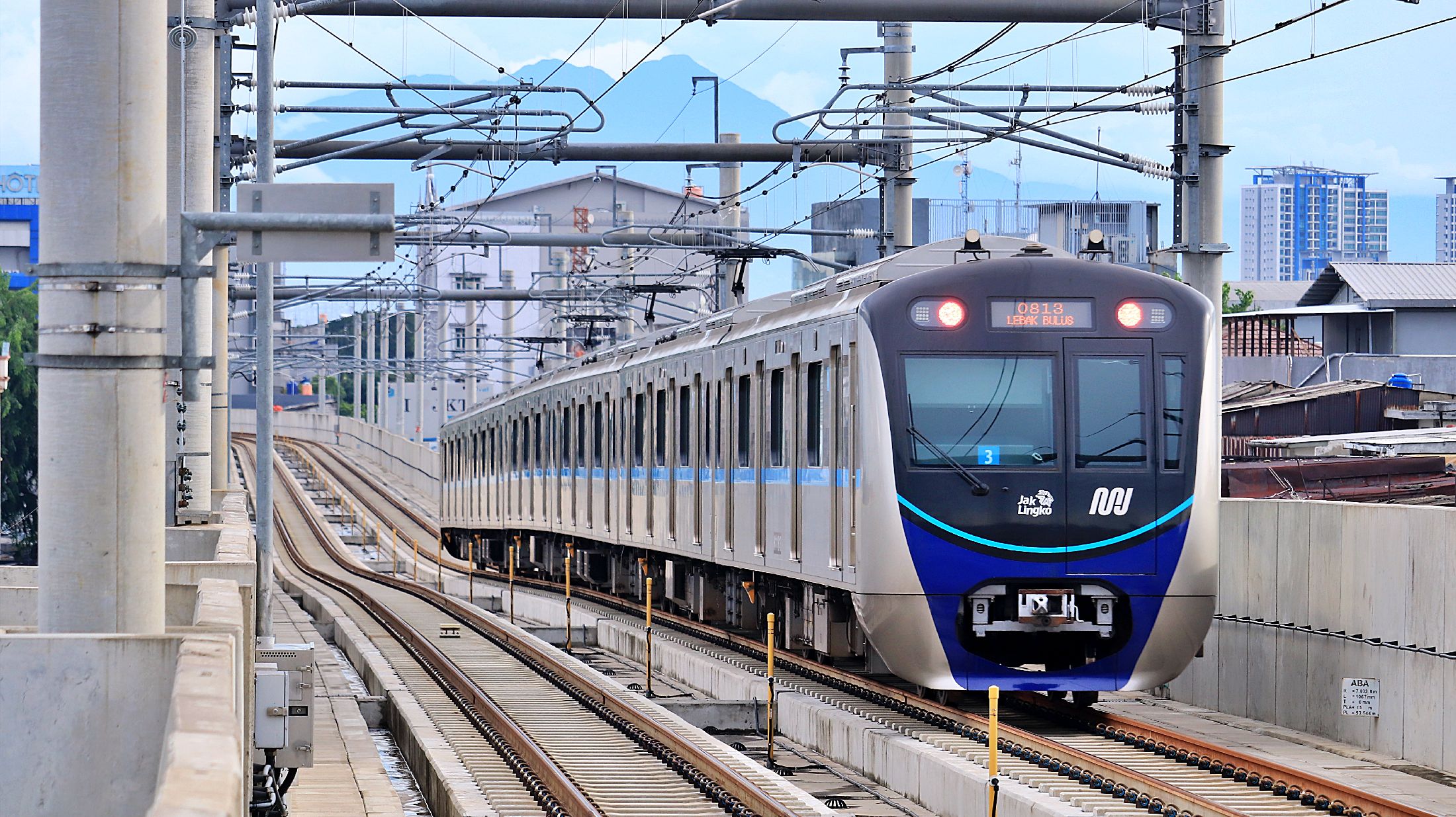
Since commencing operations on March 24, 2019, MRT Jakarta has become more than just a mass transit system for the Indonesian capital. It represents a major milestone in the city’s transformation toward a smarter, more efficient, and sustainable urban transportation network. By combining advanced railway technology, exceptional operational reliability, and seamless multimodal integration, MRT Jakarta has established itself as one of Indonesia’s leading public transportation infrastructures.
As Jakarta continues to face rapid urbanization and growing mobility demands, MRT Jakarta plays a crucial role in addressing some of the city’s biggest challenges, including traffic congestion, travel inefficiency, and air pollution. Here are the key advantages that make MRT Jakarta the preferred choice for daily commuters.
Traffic-Free Travel with Predictable Journey Times
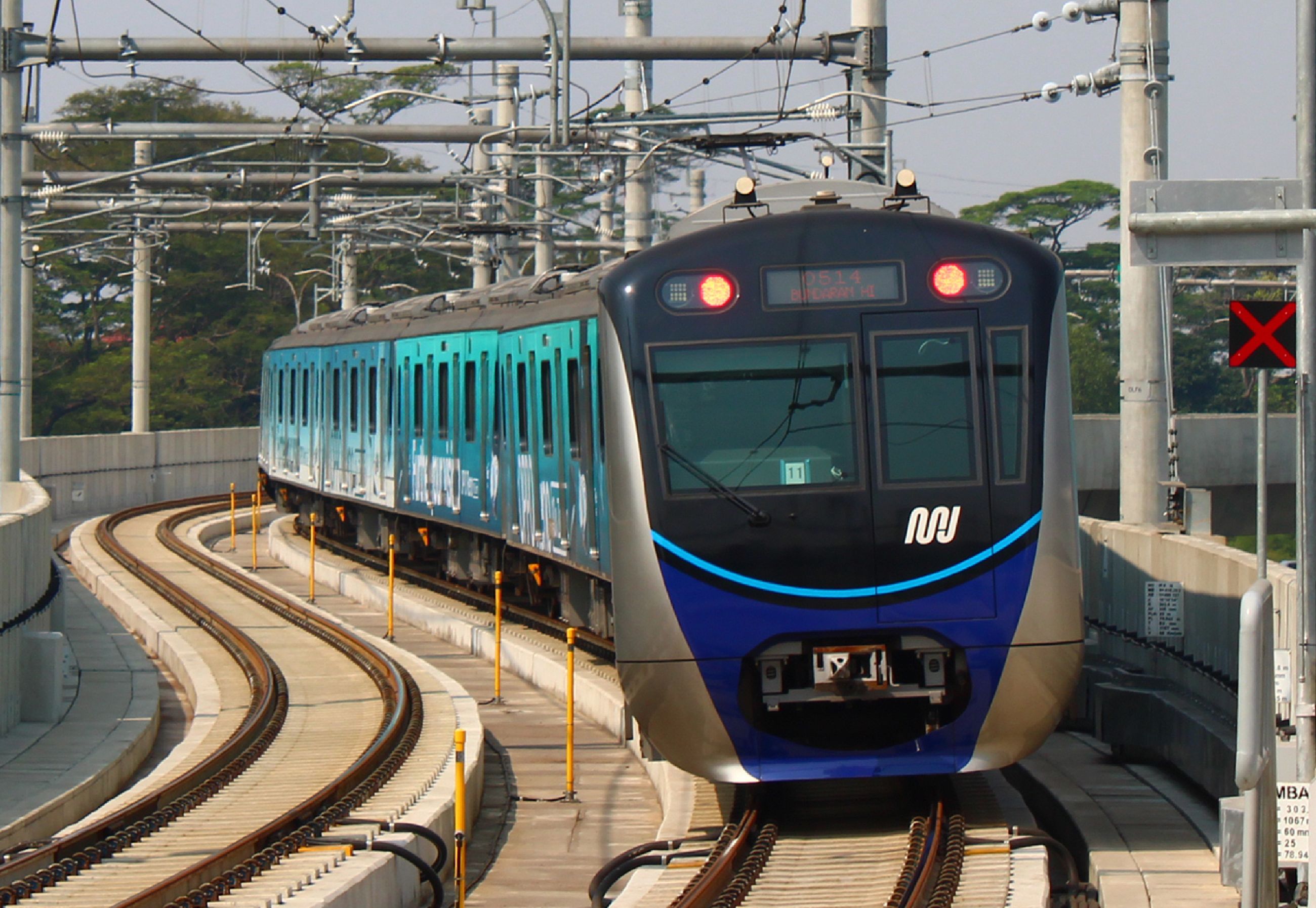
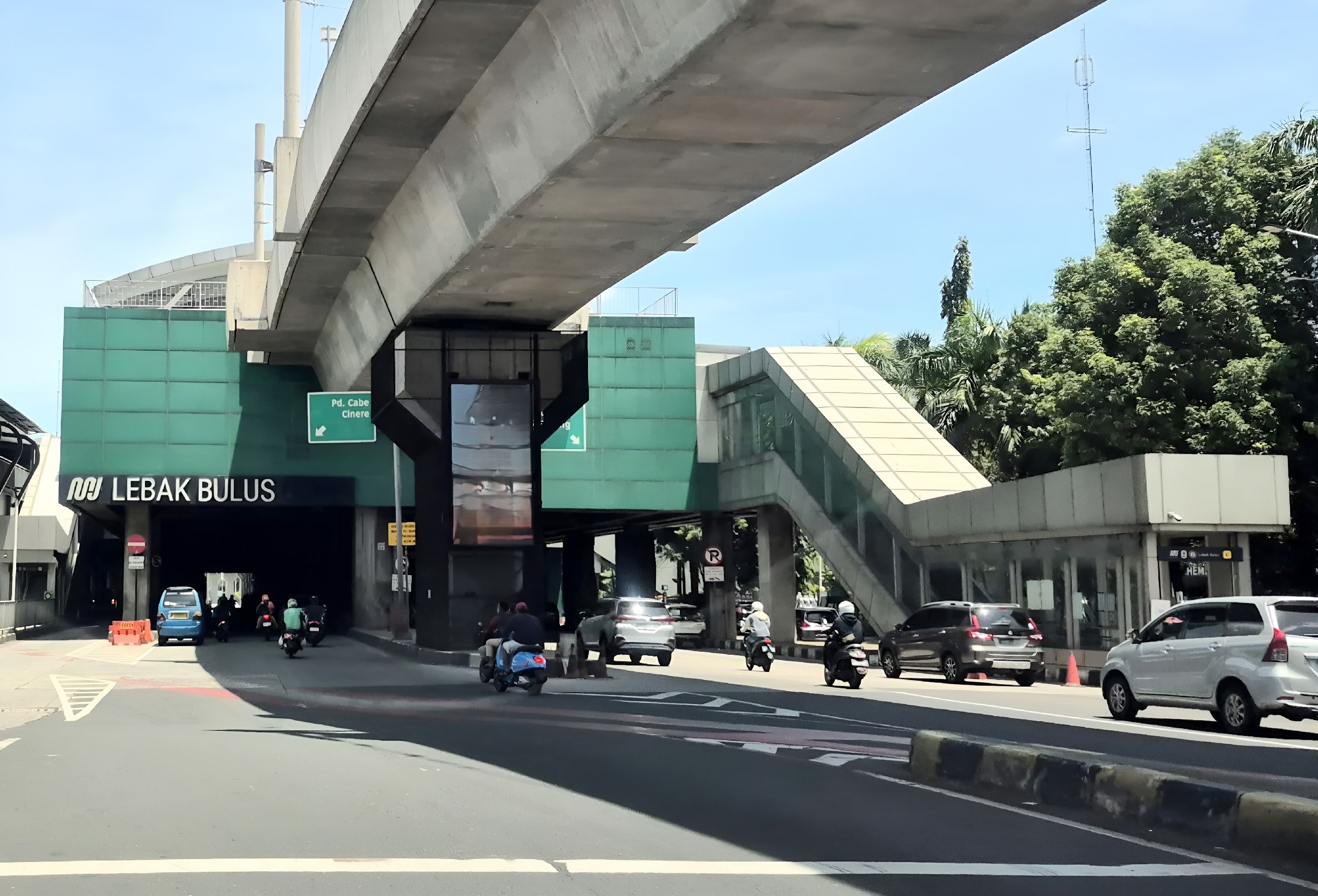
One of MRT Jakarta’s greatest strengths is its fully dedicated railway corridor, consisting of elevated and underground tracks that operate independently from road traffic. This allows trains to run without being affected by congestion, providing passengers with reliable and predictable travel times.
Operating at speeds of approximately 80–100 km/h, MRT Jakarta completes the 15.7-kilometer journey between Lebak Bulus and Bundaran HI in around 30 minutes. This level of travel certainty is particularly valuable for professionals, students, and commuters who depend on punctual transportation.
Outstanding On-Time Performance
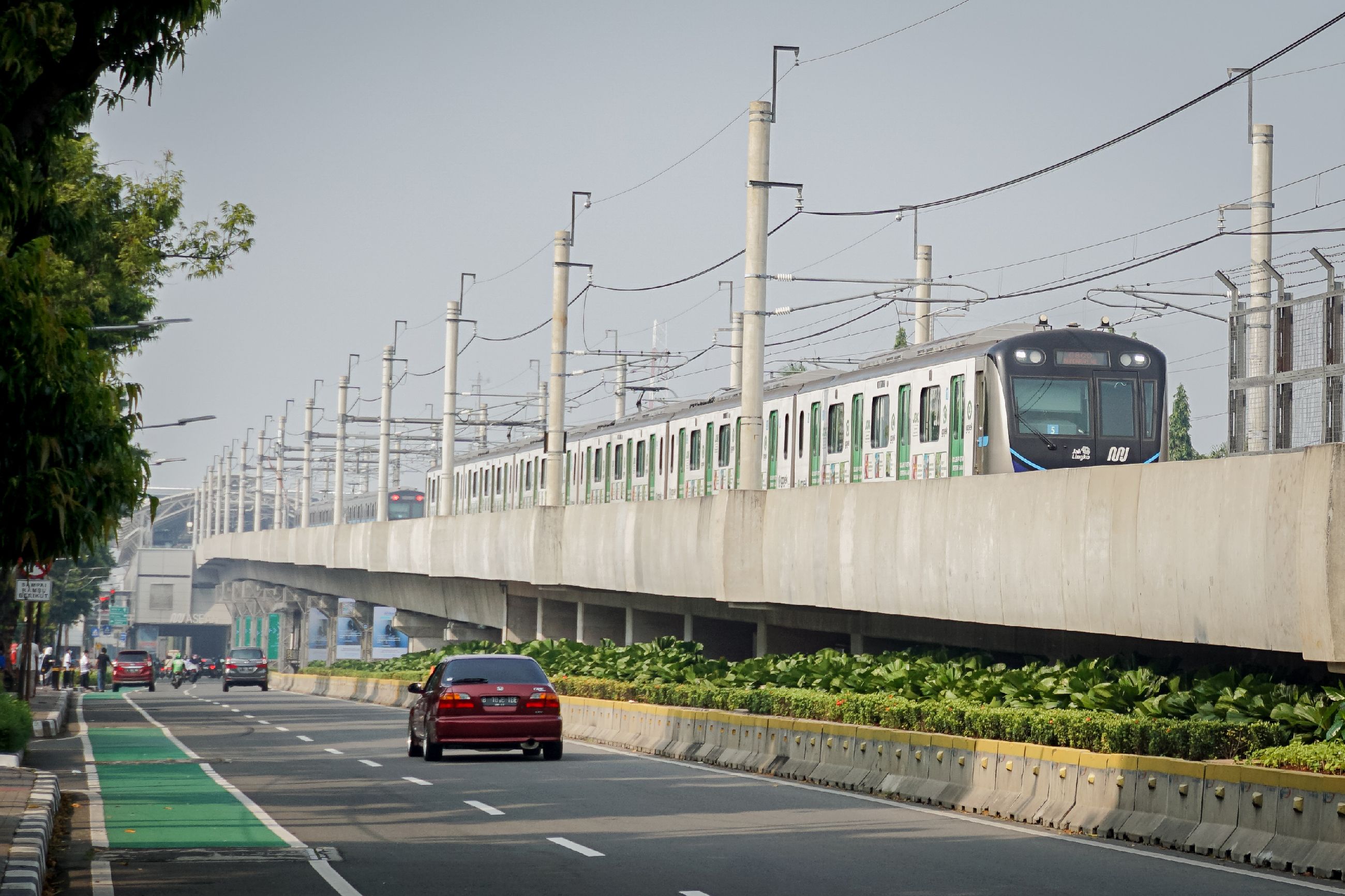
Operational reliability is one of the defining characteristics of a successful urban rail system, and MRT Jakarta consistently delivers on this standard.
READ ALSO: MRT Jakarta Phase 2A Progress
With an impressive 99.98% on-time performance rate, the system offers highly dependable departure and arrival schedules, enabling passengers to plan their daily activities with confidence. This exceptional punctuality has made MRT Jakarta one of the most reliable public transportation services in the capital.
Comfort and Passenger Safety as Top Priorities
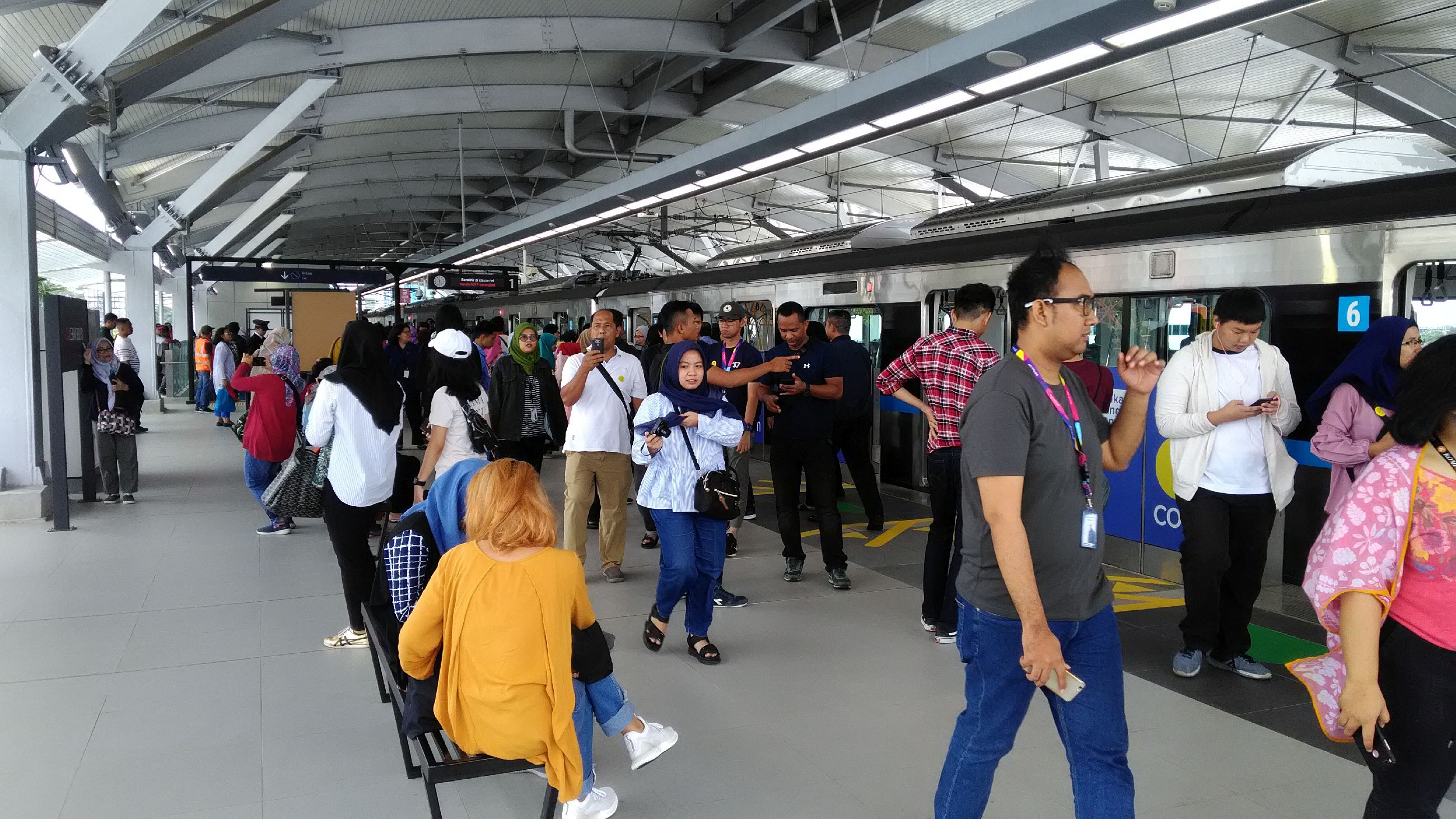
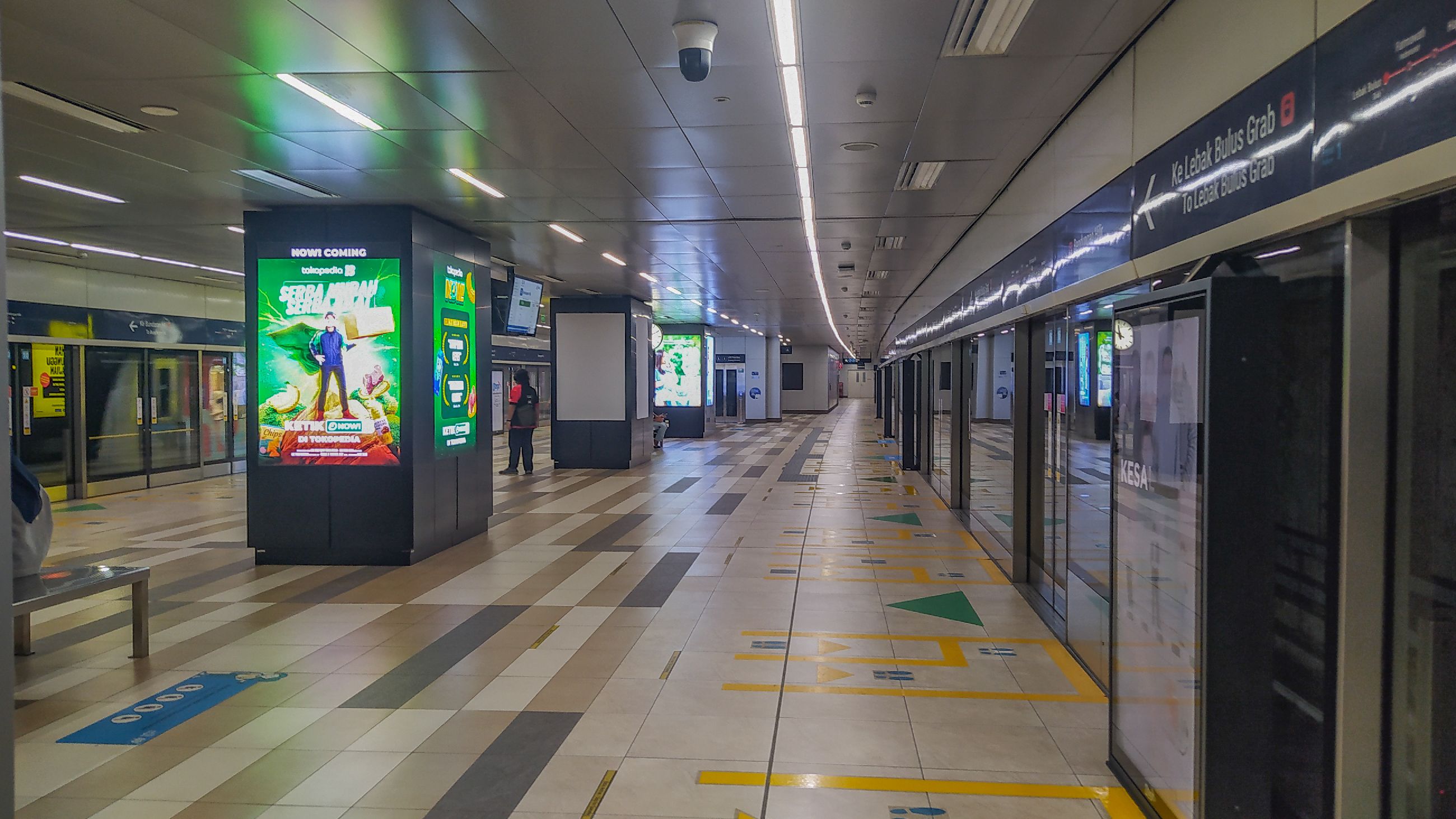
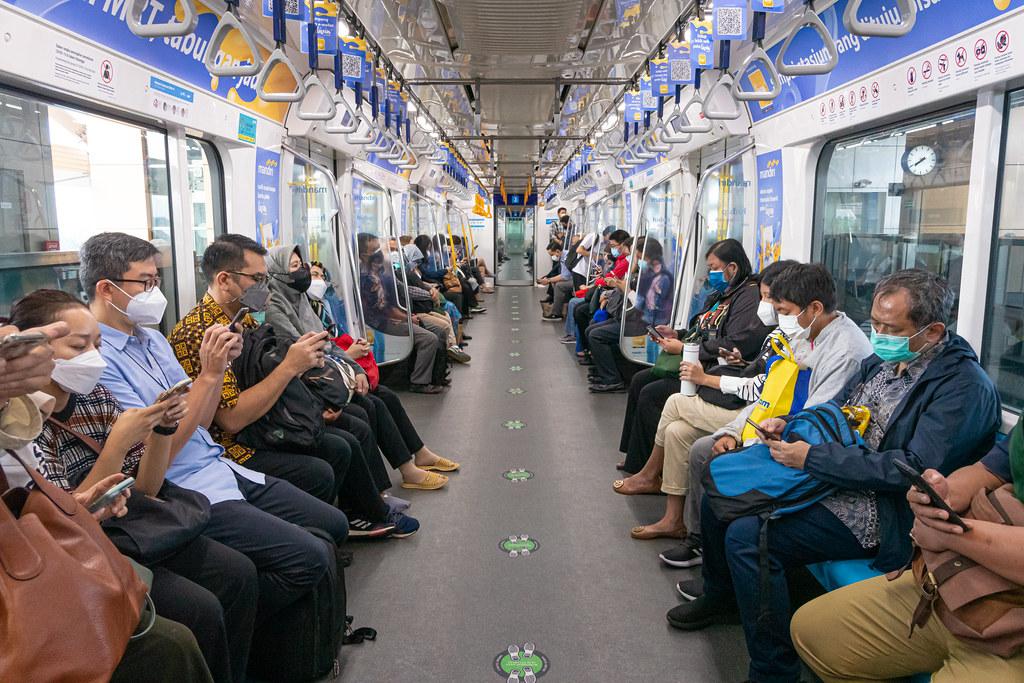
Beyond speed and efficiency, MRT Jakarta is designed to provide a comfortable travel experience. All train cars are fully air-conditioned, while stations and passenger areas are maintained to high standards of cleanliness.
Compared to road-based transportation, passengers also enjoy a smoother and quieter journey with minimal vibration and noise.
Safety remains another key priority. Every station is equipped with platform screen doors to enhance passenger protection, while CCTV surveillance, trained security personnel, emergency communication systems, and comprehensive safety procedures ensure secure operations throughout the network.
Seamless Integration with Other Public Transport Systems
Efficient urban mobility depends on seamless connections between different modes of transportation. MRT Jakarta has been integrated with several major public transport services, including TransJakarta, KRL Commuter Line, LRT Jakarta, and the JakLingko integrated transport network.
This multimodal connectivity enables passengers to transfer easily between transportation systems without relying on private vehicles, creating a more efficient and sustainable urban mobility ecosystem.
Convenient and Flexible Digital Payment Options
To enhance customer convenience, MRT Jakarta supports multiple cashless payment methods. Passengers can use electronic money cards issued by various banks, as well as QR code payments through the official MRT Jakarta mobile application.
The company also continues to expand its digital payment ecosystem, making ticket purchases faster, easier, and completely contactless.
Supporting a Greener and More Sustainable City
As an electric-powered railway system, MRT Jakarta produces zero direct emissions during operation, making it a cleaner alternative to conventional road transportation powered by fossil fuels.
By encouraging more people to shift from private vehicles to public transportation, MRT Jakarta contributes to reducing road congestion, lowering greenhouse gas emissions, and improving air quality across the city.
Driving Transit-Oriented Urban Development
The impact of MRT Jakarta extends well beyond transportation. The expansion of its railway network has accelerated the implementation of Transit-Oriented Development (TOD)—an urban planning concept that promotes compact, mixed-use developments centered around public transit stations.
TOD integrates residential, commercial, office, and public spaces within walkable neighborhoods, creating vibrant communities that are easily accessible by public transportation. This approach supports more efficient land use while fostering inclusive and sustainable urban growth.
Improving Quality of Life for Jakarta Residents
Ultimately, MRT Jakarta delivers benefits that go beyond mobility. Shorter and more predictable travel times help reduce commuting stress, improve work-life balance, and provide residents with more productive and meaningful time each day.
By combining speed, punctuality, comfort, safety, and seamless connectivity, MRT Jakarta has become one of the cornerstones of Jakarta’s modern public transportation system. As the network continues to expand—including the ongoing MRT Jakarta Phase 2A extension toward Jakarta Kota—its role in supporting sustainable urban mobility and shaping the future of Indonesia’s capital will become even more significant.
 English
  Indonesian